02 — Why we show up
A good cup begins with people.
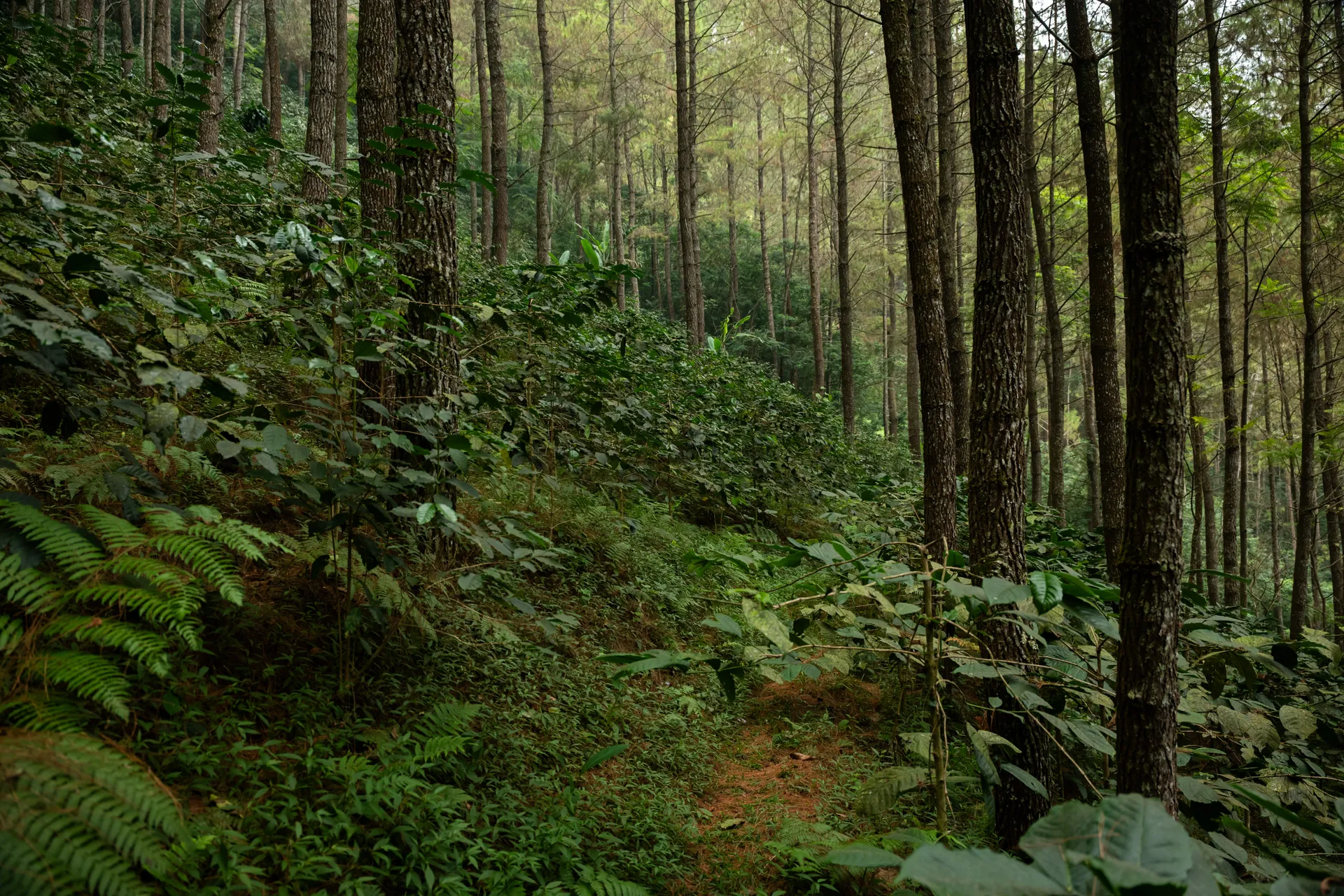
Long before a coffee reaches our roastery in Malang, someone has cared for its trees, watched the weather, picked its cherries, and made decisions that shape its flavour. That work deserves our attention. As roasters, we see our place in coffee as a relationship with the people at its beginning.
We want the knowledge gathered around a roasting machine or a cupping table to reach further. Sharing how we taste, prepare, and understand coffee is one practical way to give something back to the communities behind it. It is also a chance for us to listen and learn.
03 — Begin by listening
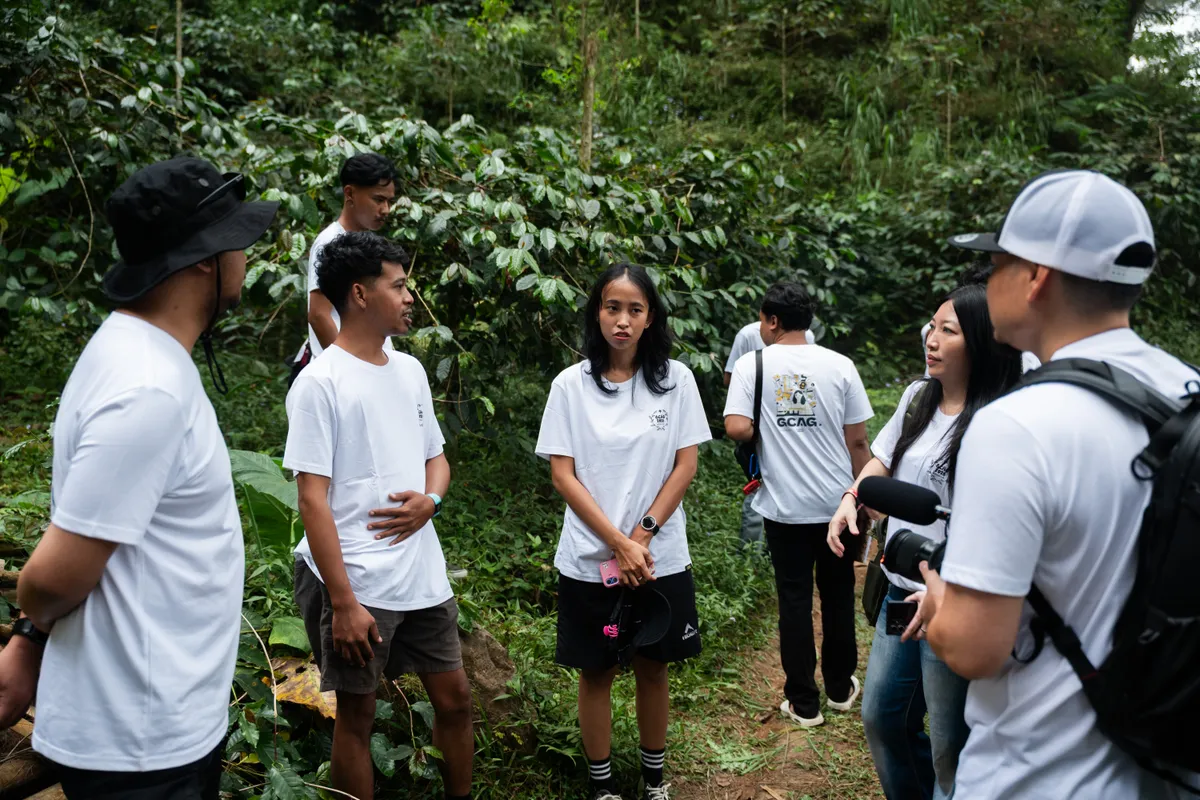
The farm is a classroom, too.
During GCAG Indonesia, learning moved between the coffee plants, the processing space, and the tasting table. Being there together gave the conversations a context: the land, the crop, and the work behind every cup.
Farmers bring knowledge of their own place that a roaster cannot learn from a sample bag. We bring another perspective on how coffee develops in the roast and tastes in the cup. Putting those perspectives together is the kind of exchange we believe in: curious, practical, and grounded in respect.
04 — Our part in the work
Showing up. Sharing what we know.
Help make it happen.
NiR contributed local coordination to GCAG Indonesia. Behind a shared learning experience is the work of bringing people together. Being based in Malang let us take part on the ground, alongside the organisers, volunteers, and local community.
Open up our practice.
Our contribution included training: sharing a roaster’s perspective and making room for questions. Coffee knowledge becomes useful when there is time to try it, compare results, and talk through what happened. We want learning to feel approachable enough for everyone to take part.
Keep the whole journey in view.
A farmer, a roaster, and a brewer experience the same coffee differently. Bringing them into a shared conversation helps connect the decisions made at origin with what someone eventually tastes. Our aim is a closer relationship between those stages, with more understanding on every side.
05 — A shared effort
Local roots. A wider circle.
This work brought us together with I’M NOT A BARISTA, a not-for-profit built around the people who make coffee possible. Their work shares coffee people’s stories, connects communities, and supports baristas in need. That belief in people is what makes the collaboration meaningful to us.
Through the Global Coffee Alliance for Good (GCAG), that same spirit reaches small-scale farmers with education, practical support, and access to brewing tools. GCAG Indonesia 2026 brought a three-day learning programme to young farmers in East Java, with NiR joining as a local partner.
The effort belongs to many hands. Alongside the educators and volunteers, TIMEMORE supported the programme with brewing equipment, while coffee partners helped bring different origins to the tasting table. Together, these contributions made space for farmers to explore coffee from more than one perspective.
Read the GCAG Indonesia project story06 — From the farm to the cup
Make knowledge something you can use.
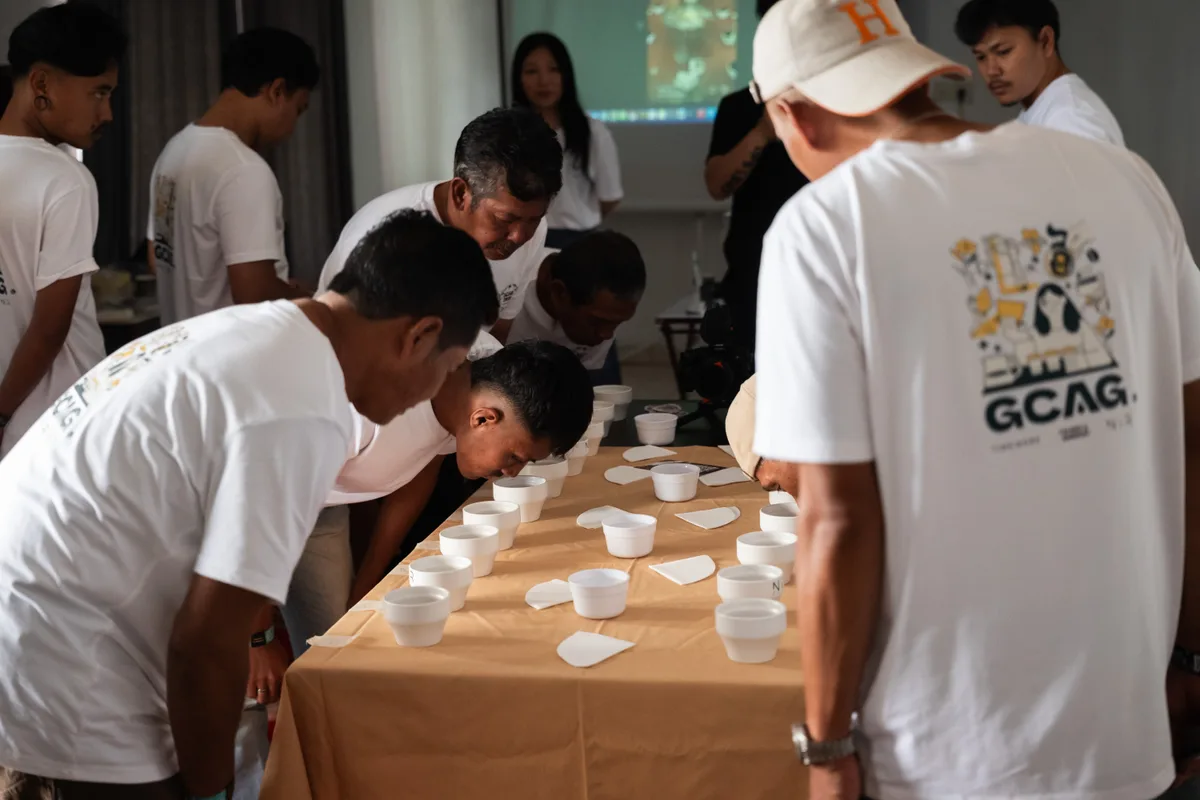
A conversation becomes more meaningful when you can taste it for yourself. Cupping and brewing turn ideas about quality into something shared: a fragrance to notice, a flavour to compare, a question to explore together.
Taste, compare, get curious.
At the cupping table, we can compare coffees side by side and put words to what we notice. Learning to describe aroma, sweetness, acidity, and texture gives people a shared language for quality—and a starting point for asking what shaped it.
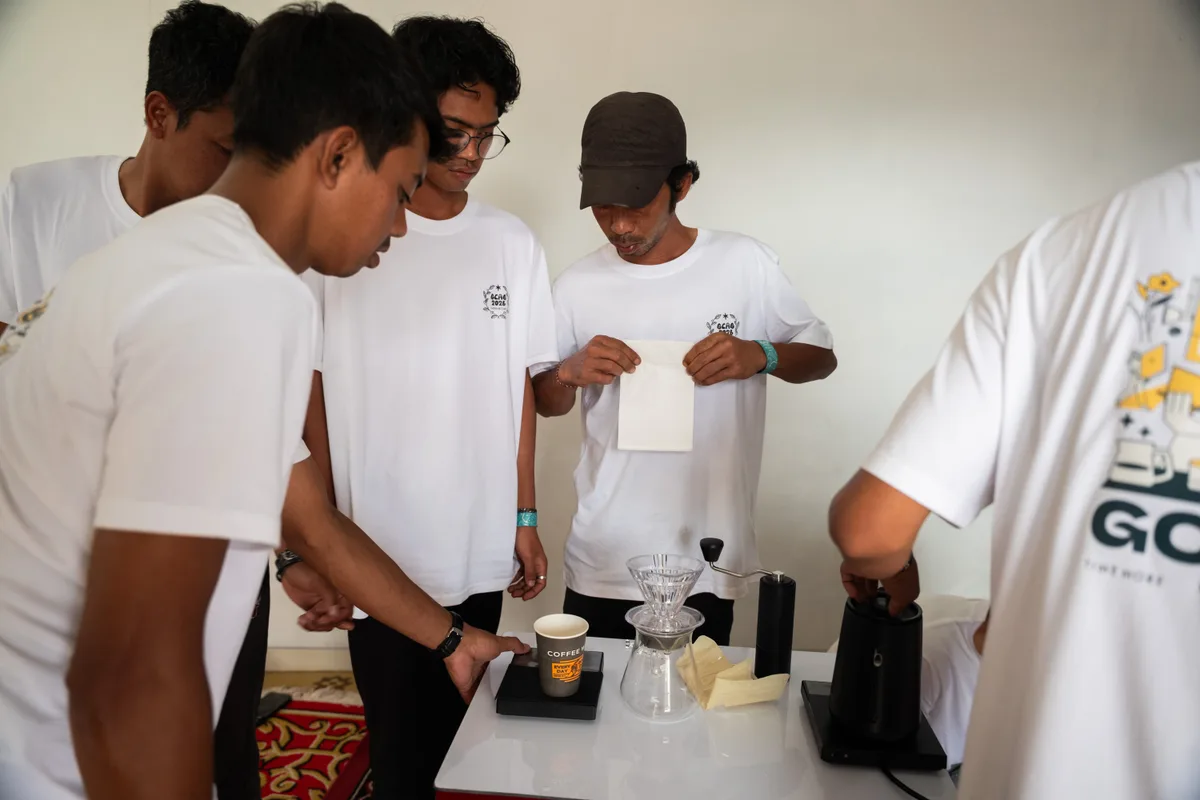
Learn by doing.
Working with a grinder, water, and a brewer makes the connection between preparation and flavour tangible. A small adjustment becomes something to taste and discuss. The value is in the practice: trying, noticing, and finding the confidence to try again.
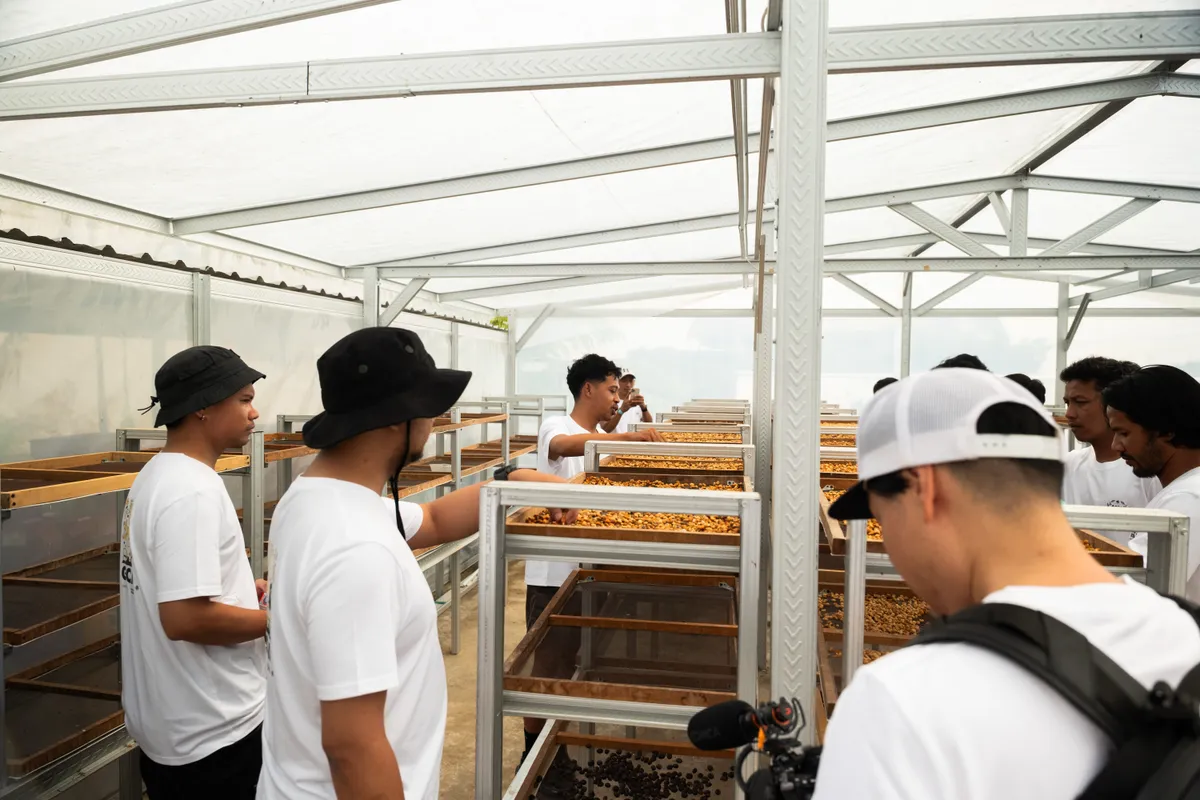
Follow the story back to the cherry.
The time spent around the drying beds and processing equipment connected the tasting experience with the work that comes before it. For us, seeing those stages together is a reminder to treat every coffee with care—and to keep the producer’s choices present in the way we roast and talk about it.
07 — What we hope continues
A community that keeps learning.
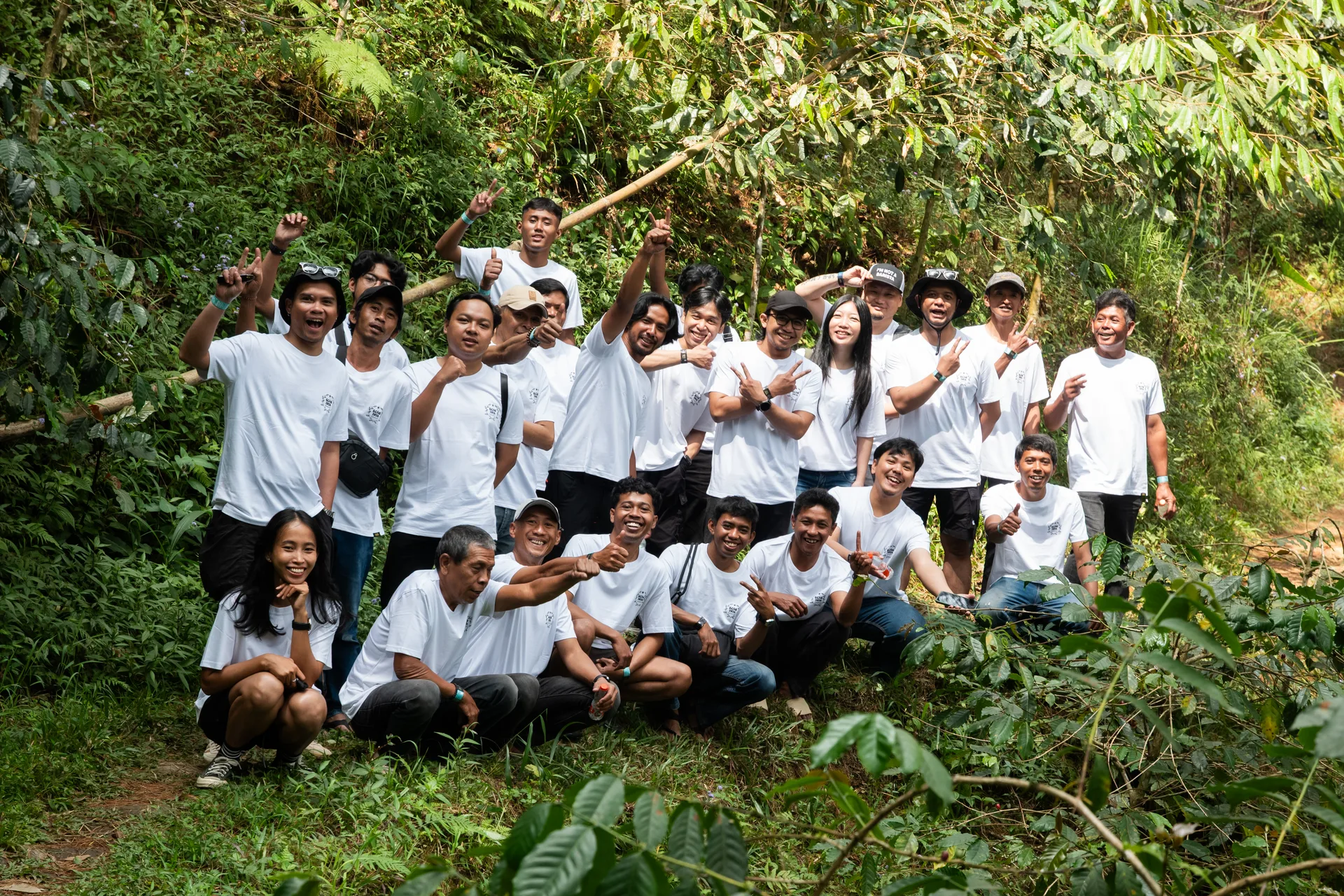
A few days together can open a conversation. What we hope follows is continued curiosity: another coffee tasted thoughtfully, a technique practised, an experience shared with a neighbour. These are the possibilities that make us want to keep taking part.
We’re grateful to everyone who contributed their time, skills, and trust. Our commitment is to keep approaching coffee with that same care: paying attention to its origins, being open about our work, and sharing what we learn along the way.
Explore our approach to sourcing